
Polycystic Ovary Syndrome (PCOS)
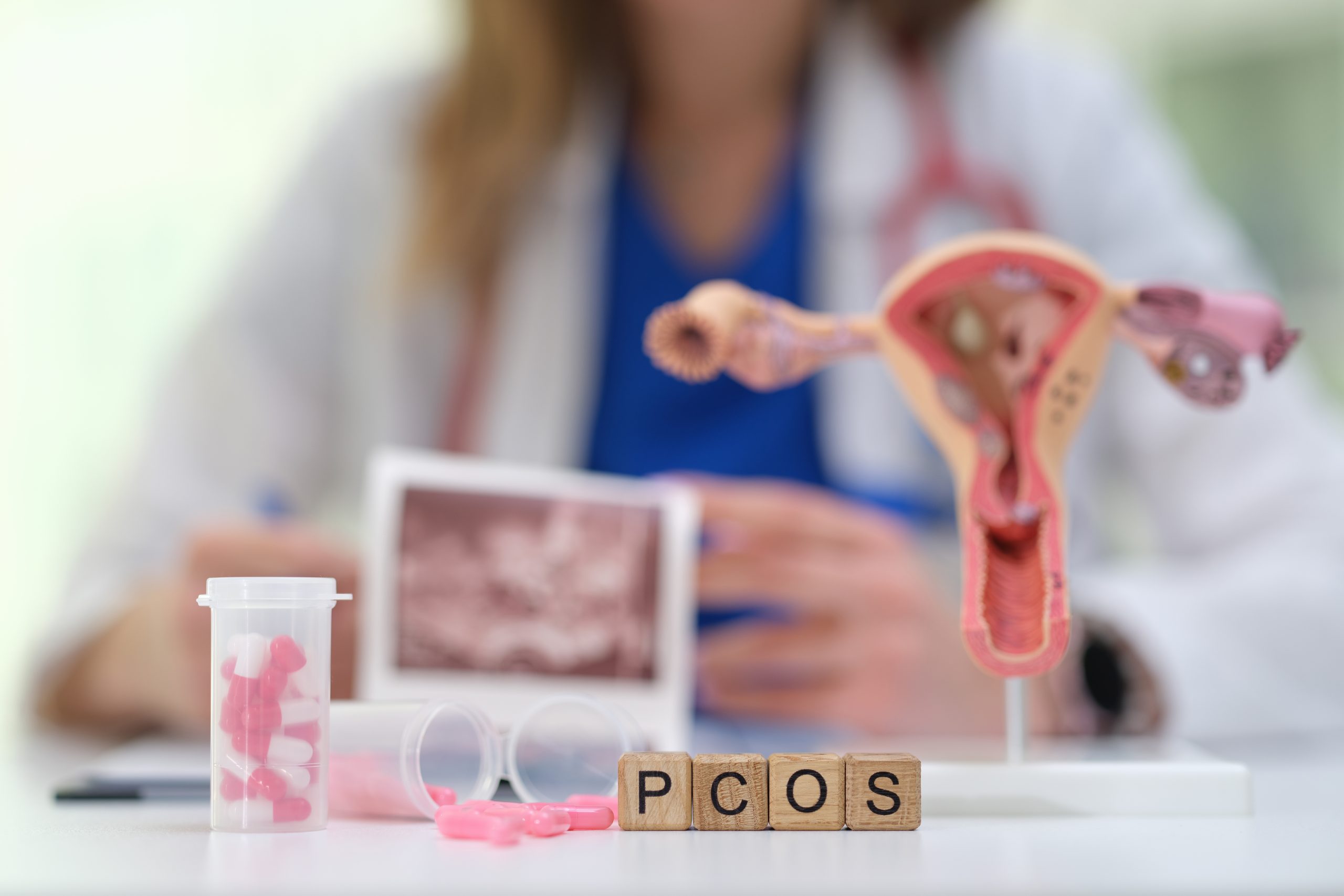
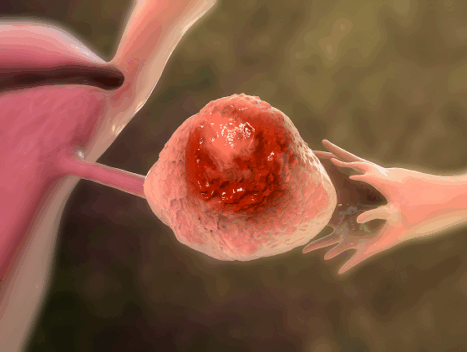
Polycystic Ovary Syndrome (PCOS) is a common hormonal disorder affecting women of reproductive age. It is characterized by the formation of multiple small cysts in the ovaries and may present with symptoms such as irregular menstrual cycles, excessive hair growth, acne, and weight gain. PCOS affects not only reproductive health but also overall metabolic health, and early diagnosis along with appropriate treatment is of great importance.
Although the exact causes of PCOS are not fully understood, genetic predisposition, insulin resistance, and hormonal imbalances play significant roles in its development. Irregular or absent ovulation can lead to infertility. Additionally, women with PCOS may have a higher risk of developing type 2 diabetes, hypertension, and cardiovascular diseases.
To diagnose PCOS, the patient’s clinical history, hormone tests, and ultrasound imaging are evaluated. Treatment is tailored based on whether the patient wishes to conceive. For those planning pregnancy, medications that regulate ovulation may be used, while for those not trying to conceive, birth control pills or medications that reduce insulin resistance are often recommended to regulate the menstrual cycle and manage hormonal balance. A healthy diet and regular exercise also play a major role in the management of PCOS.
Frequently Asked Questions
What is Polycystic Ovary Syndrome (PCOS)?
It is a common endocrine disease that affects ovulation in women, causing menstrual irregularities and hormonal disorders.
What are the symptoms of PCOS?
Menstrual irregularities, weight gain, hair growth, acne and ovulation problems are common symptoms.
Does PCOS make it harder to get pregnant?
Yes, pregnancy can become difficult due to irregular ovulation, but with proper treatments, pregnancy is possible.
How is PCOS treated?
It can be managed with diet, weight control, medication and, if necessary, assisted reproductive techniques.
Latest Blogs
- Ali
- 0 Comments
What Is Hysteroscopy? How Does It Help in the Management of Intrauterine Problems?
Pregnancy is a time when the expectant mother experiences great changes both physically and mentally.
- Ali
- 0 Comments
What Is Egg Freezing? Who Is It Suitable For?
Pregnancy is a time when the expectant mother experiences great changes both physically and mentally.
- Ali
- 0 Comments
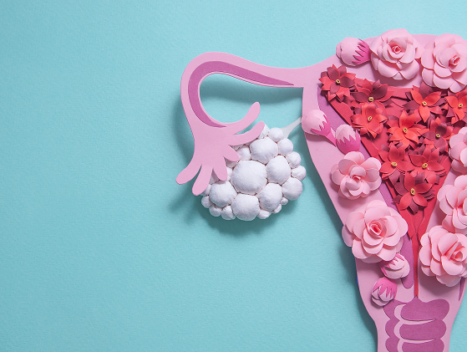
Does Polycystic Ovary Syndrome (PCOS) Prevent Pregnancy?
Pregnancy is a time when the expectant mother experiences great changes both physically and mentally.

- Ali
- 0 Comments
What Causes Recurrent Miscarriages? Which Tests Should Be Performed?
Pregnancy is a time when the expectant mother experiences great changes both physically and mentally.
- Ali
- 0 Comments
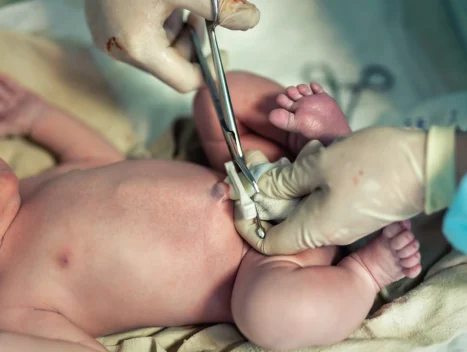
What Is Cord Blood? Should it be stored? What are its benefits?
Pregnancy is a time when the expectant mother experiences great changes both physically and mentally.
- Ali
- 0 Comments
What Is the Fetal DNA Test (NIPT); what, when, how, why, and for whom?
Pregnancy is a time when the expectant mother experiences great changes both physically and mentally.
- Ali
- 0 Comments
Is the Glucose Tolerance Test Harmful?
Pregnancy is a time when the expectant mother experiences great changes both physically and mentally.
- Ali
- 0 Comments
Gebelerde Soğuk Algınlığı tehlikeli / anormal bir durum mudur?
Pregnancy is a time when the expectant mother experiences great changes both physically and mentally.
- Ali
- 0 Comments
Do Breastfeeding Women Have Periods?
Pregnancy is a time when the expectant mother experiences great changes both physically and mentally.
- Ali
- 0 Comments
September: OVARIAN CANCER AWARENESS MONTH
Pregnancy is a time when the expectant mother experiences great changes both physically and mentally.