
In women’s health, accurate diagnosis and effective treatment methods are of great importance both for improving quality of life and increasing the chances of pregnancy. At this point, hysteroscopy, one of the advanced techniques offered by modern medicine, makes it possible to examine the inside of the uterus in detail and provide treatment at the same time. So, what is hysteroscopy? In which situations is it performed? And what benefits does it provide?
What Is Hysteroscopy?
Hysteroscopy is a minimally invasive procedure that allows visualization of the inside of the uterus using a specialized camera system. When planning a hysteroscopy, the first week after the end of menstruation (when the uterine lining is at its thinnest) is generally preferred. This is the period when visualization is clearest and the procedure can be performed most safely.
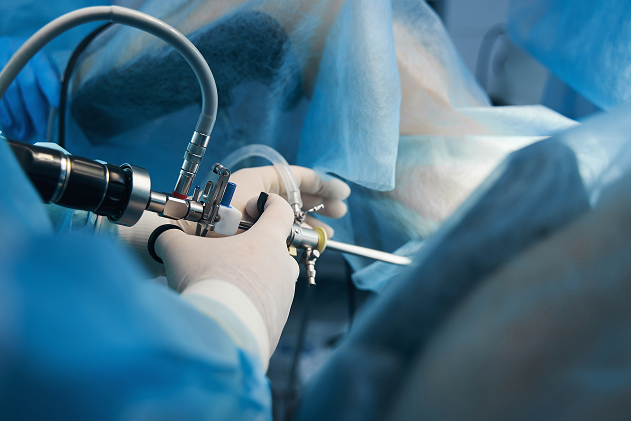
A thin, illuminated device called a “hysteroscope” is inserted into the uterus through the vagina. In order to obtain a clear view of the uterine cavity, the uterus is distended with fluid. The images are projected onto a screen, allowing the physician to examine the uterine walls, the endometrial lining, and the openings of the fallopian tubes in detail.
The procedure performed for diagnostic purposes is called diagnostic hysteroscopy, while a procedure that includes treatment during the same session is called operative hysteroscopy.
In Which Situations Is Hysteroscopy Performed?
Hysteroscopy is preferred in many situations for both diagnosis and treatment:
- Abnormal uterine bleeding
- Intrauterine polyps or fibroids
- Intrauterine adhesions (Asherman syndrome)
- Recurrent miscarriages
- Uterine evaluation before in vitro fertilization (IVF)
- Investigation of the causes of recurrent IVF failure
- Congenital uterine anomalies (treatment of uterine septum)
- Removal of a lost intrauterine device (IUD)
This procedure is particularly important for evaluating whether the uterine cavity is healthy in women planning a pregnancy.
How Is Hysteroscopy Performed?
Hysteroscopy is generally a short and comfortable procedure:
- A thin camera system is inserted into the uterus through the vagina.
- The uterine cavity is expanded with special fluids to obtain a clear image.
- If necessary, treatment can be performed during the same procedure, such as removing polyps or fibroids or releasing adhesions.
The procedure usually takes between 10 and 30 minutes, and in most cases, patients can be discharged on the same day.
What Are the Advantages of Hysteroscopy?
Compared with traditional surgical methods, hysteroscopy offers many advantages:
- No incision is required; it is a minimally invasive procedure
- Provides a rapid recovery process
- Offers both diagnosis and treatment in the same session
- Hospital stay is very short
- Risk of infection and complications is low
- Post-procedure pain is minimal and can usually be controlled with simple pain relievers
Thanks to these advantages, it is widely preferred in modern gynecology.
What Is the Recovery Process Like After Hysteroscopy?
After the procedure, mild pelvic pain and light spotting may occur. These symptoms usually resolve on their own within a short period of time.
Most patients can return to their normal daily activities within a few days. However, it is generally recommended to avoid strenuous exercise and sexual intercourse for the period advised by the physician.
Conclusion: A Powerful Method for Accurate Diagnosis and Effective Treatment
Hysteroscopy is a highly effective, safe, and modern method for the diagnosis and treatment of intrauterine problems. In particular, a healthy uterine cavity is of great importance for women planning a pregnancy.
Remember, many problems can be successfully resolved with early diagnosis and appropriate treatment methods. Do not neglect your regular check-ups for a healthier future.