
Recurrent Miscarriages
Recurrent miscarriages refer to the loss of two or more consecutive pregnancies before the 20th week of gestation and represent a physically and emotionally challenging process for couples. There can be many different causes of miscarriage, and accurately identifying the underlying reason is critical for achieving a healthy pregnancy.
The most common causes of recurrent miscarriages include genetic abnormalities, uterine anomalies, hormonal disorders, blood clotting issues (thrombophilia), immune system diseases, and infections. In addition, advanced maternal age, lifestyle factors, and certain environmental influences can also increase the risk of miscarriage.
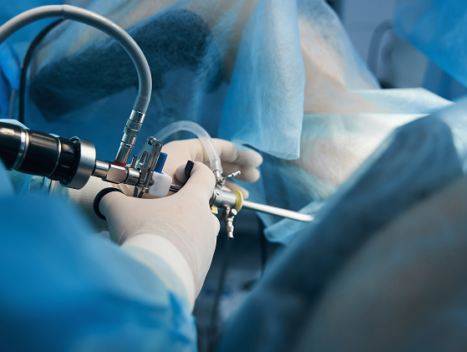
During the diagnostic process, a comprehensive medical evaluation is conducted. Various analyses are performed, including genetic testing, hormone level assessments, uterine imaging methods (such as hysteroscopy and ultrasound), and blood clotting tests. Based on the underlying cause, a personalized treatment plan is developed. For example, hormonal imbalances may be managed with medication, structural abnormalities in the uterus can be corrected through surgical intervention, and appropriate medical treatments can be applied for immune or clotting disorders.
Therefore, a comprehensive evaluation and personalized treatment approach in cases of recurrent miscarriage are among the most essential keys to achieving a healthy pregnancy.
Frequently Asked Questions
What is recurrent miscarriage?
It is the occurrence of 2 or more consecutive miscarriages and there may be an underlying health problem.
What are the causes of recurrent miscarriages?
Genetic problems, abnormalities in the uterine structure, clotting disorders and hormonal imbalances are among the main causes.
How are recurrent miscarriages diagnosed?
Evaluation is done with methods such as blood tests, genetic examinations, hysterosalpingography (HSG) and hysteroscopy.
What can be done to prevent recurrent miscarriages?
Depending on the cause, the healthy progression of the pregnancy can be achieved through medication, lifestyle changes or surgical interventions.
Latest Blogs
- Ali
- 0 Comments
What Is Hysteroscopy? How Does It Help in the Management of Intrauterine Problems?
Pregnancy is a time when the expectant mother experiences great changes both physically and mentally.

- Ali
- 0 Comments
What Is Egg Freezing? Who Is It Suitable For?
Pregnancy is a time when the expectant mother experiences great changes both physically and mentally.

- Ali
- 0 Comments
Does Polycystic Ovary Syndrome (PCOS) Prevent Pregnancy?
Pregnancy is a time when the expectant mother experiences great changes both physically and mentally.

- Ali
- 0 Comments
What Causes Recurrent Miscarriages? Which Tests Should Be Performed?
Pregnancy is a time when the expectant mother experiences great changes both physically and mentally.

- Ali
- 0 Comments
What Is Cord Blood? Should it be stored? What are its benefits?
Pregnancy is a time when the expectant mother experiences great changes both physically and mentally.
- Ali
- 0 Comments
What Is the Fetal DNA Test (NIPT); what, when, how, why, and for whom?
Pregnancy is a time when the expectant mother experiences great changes both physically and mentally.

- Ali
- 0 Comments
Is the Glucose Tolerance Test Harmful?
Pregnancy is a time when the expectant mother experiences great changes both physically and mentally.
- Ali
- 0 Comments
Gebelerde Soğuk Algınlığı tehlikeli / anormal bir durum mudur?
Pregnancy is a time when the expectant mother experiences great changes both physically and mentally.

- Ali
- 0 Comments
Do Breastfeeding Women Have Periods?
Pregnancy is a time when the expectant mother experiences great changes both physically and mentally.
- Ali
- 0 Comments
September: OVARIAN CANCER AWARENESS MONTH
Pregnancy is a time when the expectant mother experiences great changes both physically and mentally.